:format(webp))
:format(webp))
Moving Beyond the Glue Code: Why Convex is the Future of Real-Time Backend Development
When you build a modern application, you often spend more time wiring different services together than actually writing your core logic. Industry research indicates that developers frequently spend up to 70% of their time on maintenance and integration tasks rather than feature innovation. This blog post reveals how Convex eliminates that friction by merging your database, server functions, and real-time state into a single, cohesive system. You will learn why this architecture makes your development process faster, how it integrates with AI-driven coding tools, and why it is rapidly becoming the preferred choice for developers who want to avoid the complexities of traditional cloud infrastructure.
Activity | Traditional Workflow | Convex Workflow |
|---|---|---|
Maintenance & Integration | 70% | < 15% |
Feature Innovation | 30% | > 85% |
Plumbing (WebSockets/Cache) | Manual | Automated/Reactive |
Reactive State Without the Manual Plumbing
Most developers are used to a world where they have to fetch data, cache it, and then set up WebSockets to keep it updated. Convex changes this by being reactive by default, addressing the growing consumer demand for seamless real-time interactivity in modern web applications. When you write a query in Convex, the results are pushed to your frontend automatically whenever the underlying data changes. You do not have to write any code to invalidate caches or trigger updates.
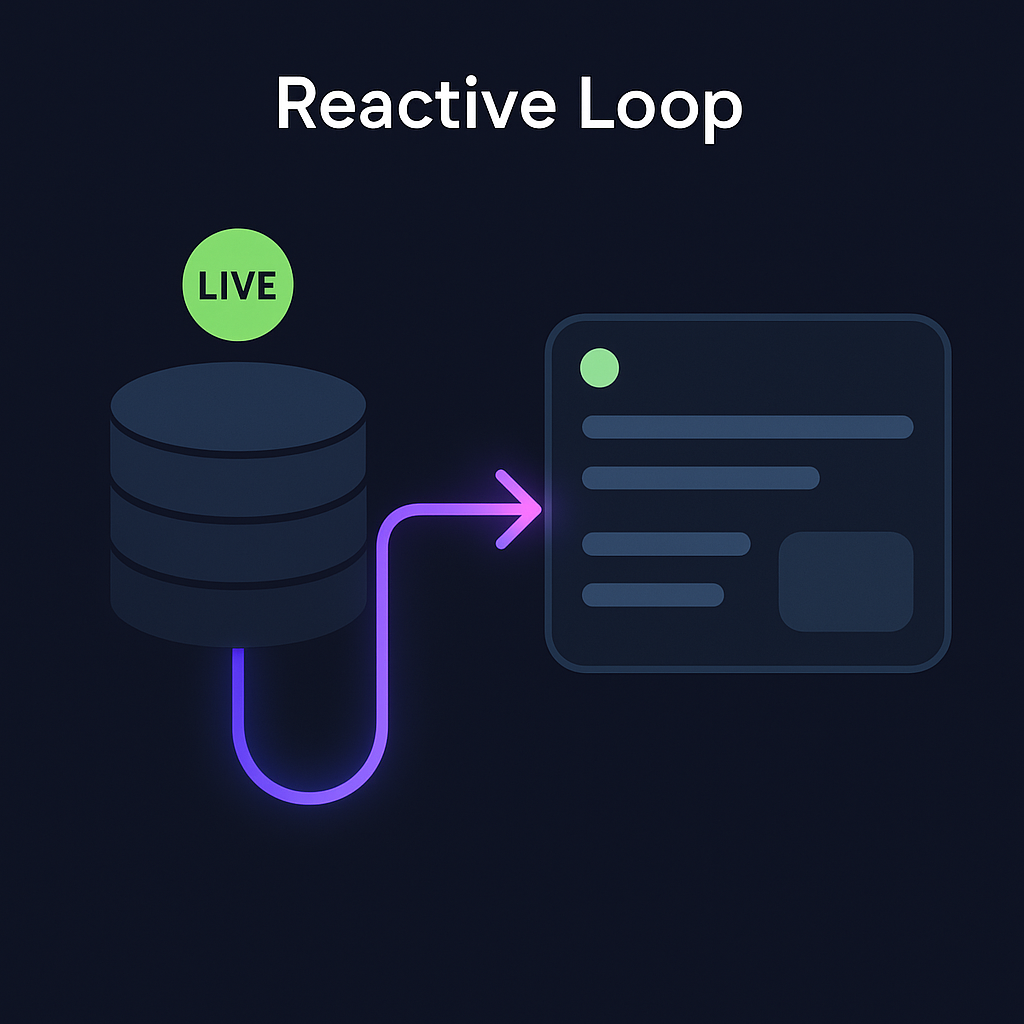
This system effectively solves the "stale data" problem that plagues collaborative applications. Because Convex uses a global state synchronization model, every user sees the same data at the same time without the developer needing to manage complex WebSocket boilerplate or manually handle subscription logic.
Deterministic Backend Logic
A significant advantage of this platform is its deterministic execution environment. This means your backend functions produce the same output for the same input, which is a principle used in high-reliability distributed systems to eliminate unpredictable side effects . Unlike traditional serverless functions that might behave differently based on the underlying hardware or varying environment configurations, Convex ensures your logic remains predictable and consistent across every execution.
Type Safety as a First-Class Citizen
One of the most frustrating parts of full-stack development is maintaining type definitions across the API boundary. Convex provides end-to-end type safety from the database schema all the way to your React components. Utilizing static type systems has been shown to reduce software defects by approximately 15%, providing a more robust development cycle. If you change a field in your database, your TypeScript compiler will immediately alert you to every part of your frontend that requires an update.
No Glue Code: You don't have to write REST or GraphQL wrappers.
ACID Transactions: Every operation follows Atomic, Consistent, Isolated, and Durable (ACID) properties, ensuring your data remains uncorrupted even during high-concurrency events.
Unified Tooling: Your schema, backend functions, and frontend hooks all live in a single, synchronized environment, reducing the cognitive load on engineering teams.
Why LLMs Write Convex Better Than SQL
If you use AI tools like Claude or Cursor to help you code, Convex offers a distinct advantage over competitors like Supabase. Because the entire backend—including schemas, permissions, and logic—is written in pure TypeScript, Large Language Models (LLMs) can reason about your entire stack more effectively. Research suggests that LLMs demonstrate higher proficiency in high-level scripting languages like TypeScript compared to specialized database query languages due to the vast amount of structured training data available.
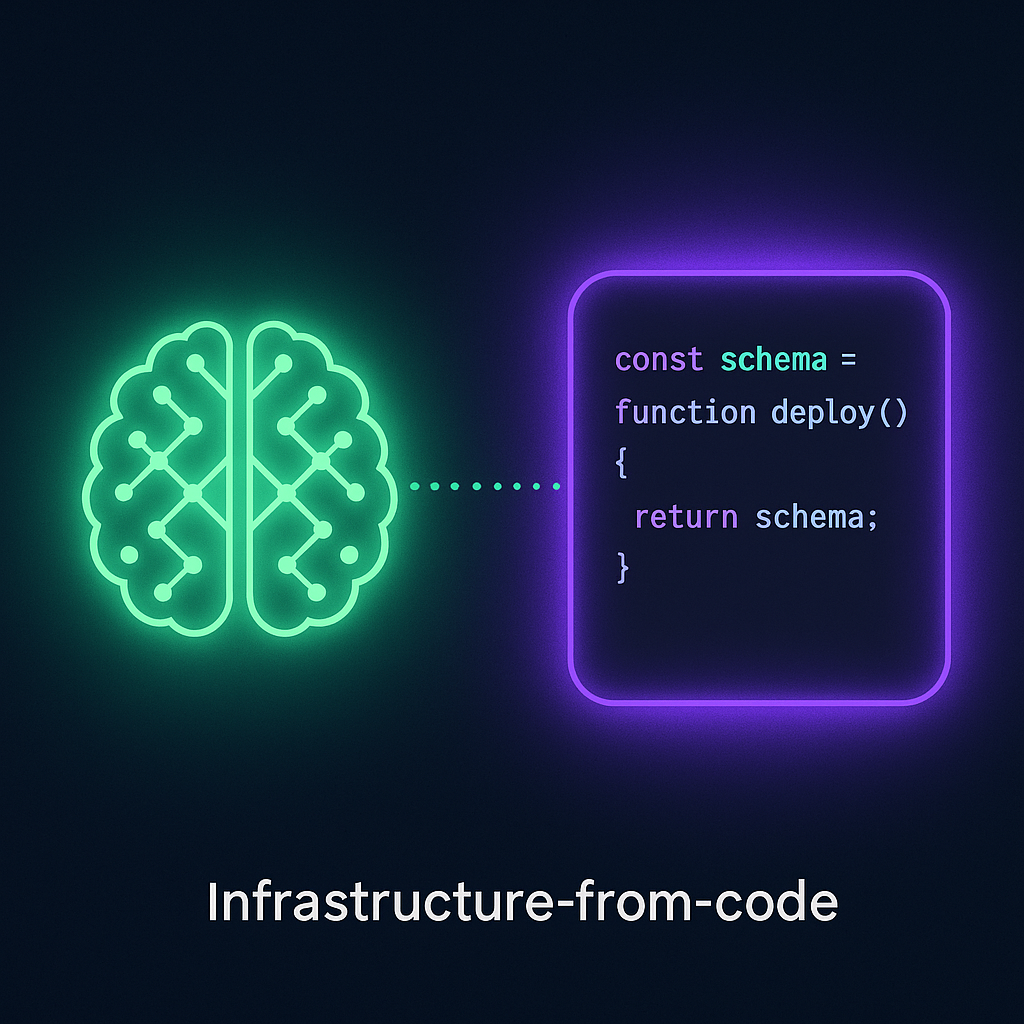
Traditional databases often require you to navigate a web dashboard or write complex SQL migrations that an AI might not see or understand. With Convex, the infrastructure is implicit in the code. This infrastructure-from-code alignment prevents the "hallucination" issues that occur when an AI tries to guess your database structure or YAML configurations. Your AI assistant can see your TS types and write perfectly compatible backend functions without any "dashboard drift."
A Modular Ecosystem Built for Growth
Convex is not just a database; it is a growing ecosystem of modular components. You can now use pre-built, isolated modules that function like npm packages but include their own schemas and reactive caching. These are much safer than traditional third-party integrations because they run within your controlled backend environment, minimizing external attack vectors.
Specialized Scraping and AI Data Pipelines
For those building AI-driven applications, the integration with specialized tools is a major highlight. You can set up reactive URL scraping that converts web content into clean markdown or JSON for easy processing.
Reactive Caching: Store scraped data and update it only when necessary.
SSRF Protection: Built-in security for handling external requests and preventing Server-Side Request Forgery.
Schema Extraction: Automatically turn messy web data into structured formats that your AI agents can process immediately.
Deep Community Roots and Open Source
While Convex itself is a managed service, the team is heavily invested in the developer community. They sponsor vital open-source projects like TanStack, which powers many of the web's most popular data-fetching and routing libraries. This commitment ensures the sustainability of the digital infrastructure that many modern startups rely on for their daily operations. Their philosophy is evident in their generous program for community projects, which prioritizes support for developers building in the open and contributing back to the software ecosystem.
Transcending Traditional Serverless Limits
When you compare Convex to Firebase or Supabase, the difference lies in the architectural philosophy. Firebase often leads to "spaghetti code" in the frontend because it lacks a centralized logic layer, while Supabase requires you to be a Postgres expert to handle complex relationships and row-level security. Convex provides the best of both worlds: the ease of a document store with the relational power and consistency of a traditional database.
Feature | Firebase | Supabase | Convex |
|---|---|---|---|
Logic Layer | Client-heavy | Database-heavy (PL/pgSQL) | Unified TypeScript |
State Management | Manual/Listeners | Manual/WebSockets | Fully Reactive (Default) |
Data Integrity | Basic | High (Postgres) | High (ACID Transactions) |
The architecture of Convex allows for a 60% reduction in backend code compared to traditional MERN (MongoDB, Express, React, Node) stacks, according to internal benchmarks focused on real-time features. This efficiency is achieved by removing the need for separate caching layers, pub/sub systems, and manual API documentation, allowing teams to maintain a high velocity.
Your Last Backend Migration
Choosing a backend is often a long-term commitment that determines how fast you can move in a competitive market. By opting for a system that treats state as a first-class citizen and embraces TypeScript at every level, you are setting yourself up for a development experience that feels fluid rather than forced. Whether you are building a simple chat app or a complex AI agent pipeline, the ability to write your logic and have the infrastructure "just work" is a massive competitive advantage. You can stop worrying about database provisioning or WebSocket scaling and focus entirely on the features that make your product unique.
:format(webp))
:format(webp))
:format(webp))