:format(webp))
:format(webp))
Ensuring Lasting Success: JavaScript Code Audits for Long-Term Projects
When your JavaScript application grows and evolves over years, hidden issues can erode performance, security, and maintainability. By the end of this article, you’ll understand how regular code audits shine a light on technical debt, tighten security around third-party dependencies, improve performance, and preserve institutional knowledge even as teams change.

What Is a JavaScript Code Audit?
A code audit is a systematic inspection of source code to find defects, security holes, or design flaws. While code reviews focus on recent changes, a full audit drills into every module, library, and configuration—ideal for applications intended to live for years.
Tackling Technical Debt Early
Legacy workarounds, quick fixes, and outdated libraries accumulate as “ technical debt .” Left unaddressed, they make future changes costly and error-prone.
Map out modules with high complexity
Tag deprecated APIs for removal
Assign ownership for refactoring tasks
Technical Debt Item | Description | Proposed Action |
|---|---|---|
High complexity modules | Modules with high cyclomatic complexity | Assign for refactoring |
Deprecated APIs | Outdated or obsolete library methods | Schedule removal and replacement |
Legacy workarounds | Quick fixes that bypass best practices | Plan systematic refactoring |
By tracking these items in a shared backlog, you prevent the debt from snowballing.
Raising Code Quality and Ease of Maintenance
Readable, consistent code accelerates feature delivery and simplifies debugging. Audits help you enforce style guides (for example, Airbnb’s JavaScript Style Guide ) and uncover patterns that breed bugs, such as deep nesting or copy-pasted logic.
Checklist for Maintainability
Consistent naming conventions
Modular structure with single-responsibility functions
In-line documentation for complex algorithms
Strengthening Security and Meeting Regulations
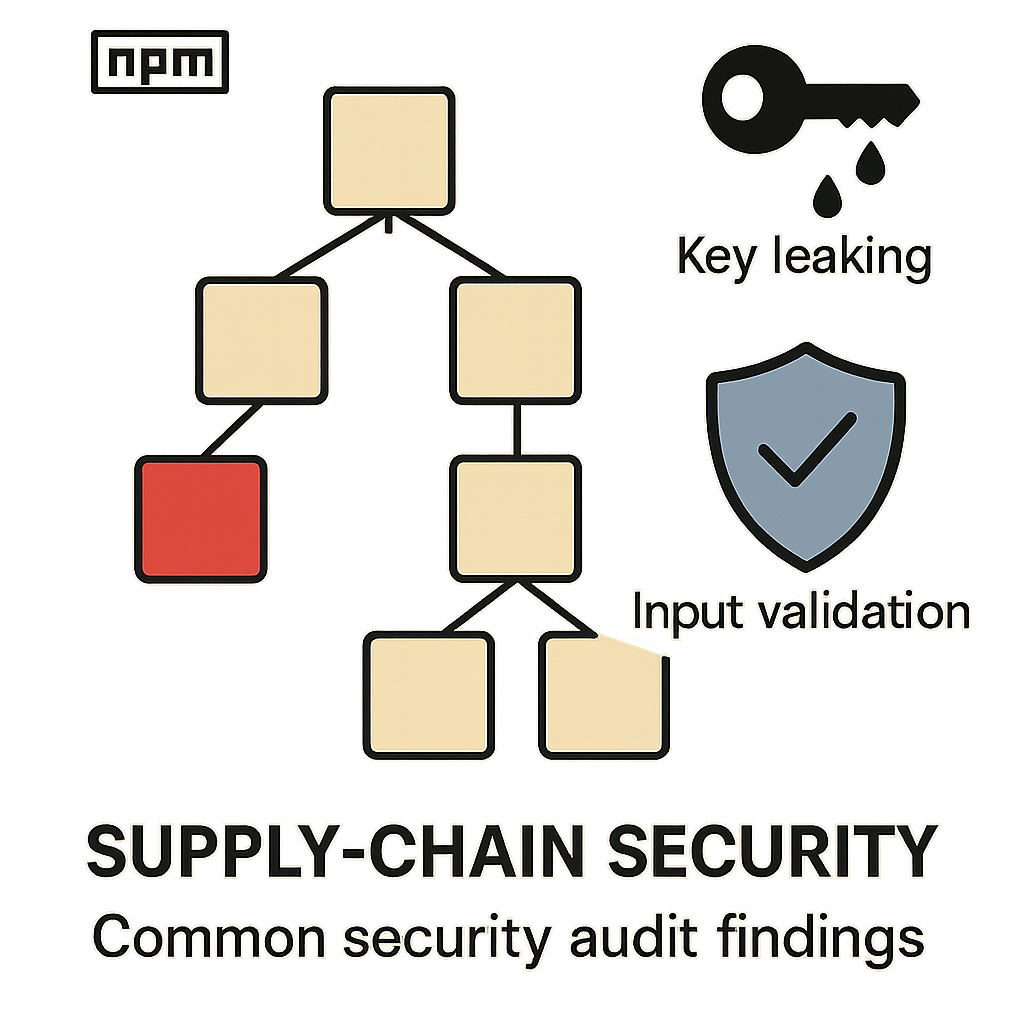
Long-lived apps often integrate sensitive data or payment flows. A code audit uncovers:
Unpatched vulnerabilities in third-party packages
Hard-coded API keys or secrets
Missing input validations
Securing the Supply Chain
Supply-chain attacks spiked by 650% in 2020, exploiting npm and other ecosystems. Auditing dependency trees with tools like `npm audit` or Snyk prevents hidden risks in borrowed code.
Hunting Hidden Backdoors
Over time, well-meaning contributors or malicious actors might slip in rogue functions or obfuscated code. A thorough review flags any code patterns that bypass authentication or log unexpected data flows.
Ensuring Regulatory Compliance
If you handle user data governed by GDPR or PCI DSS , audits verify that encryption, consent mechanisms, and logging meet those standards. Regular checks reduce the risk of costly fines or data breaches.
Maximizing Performance
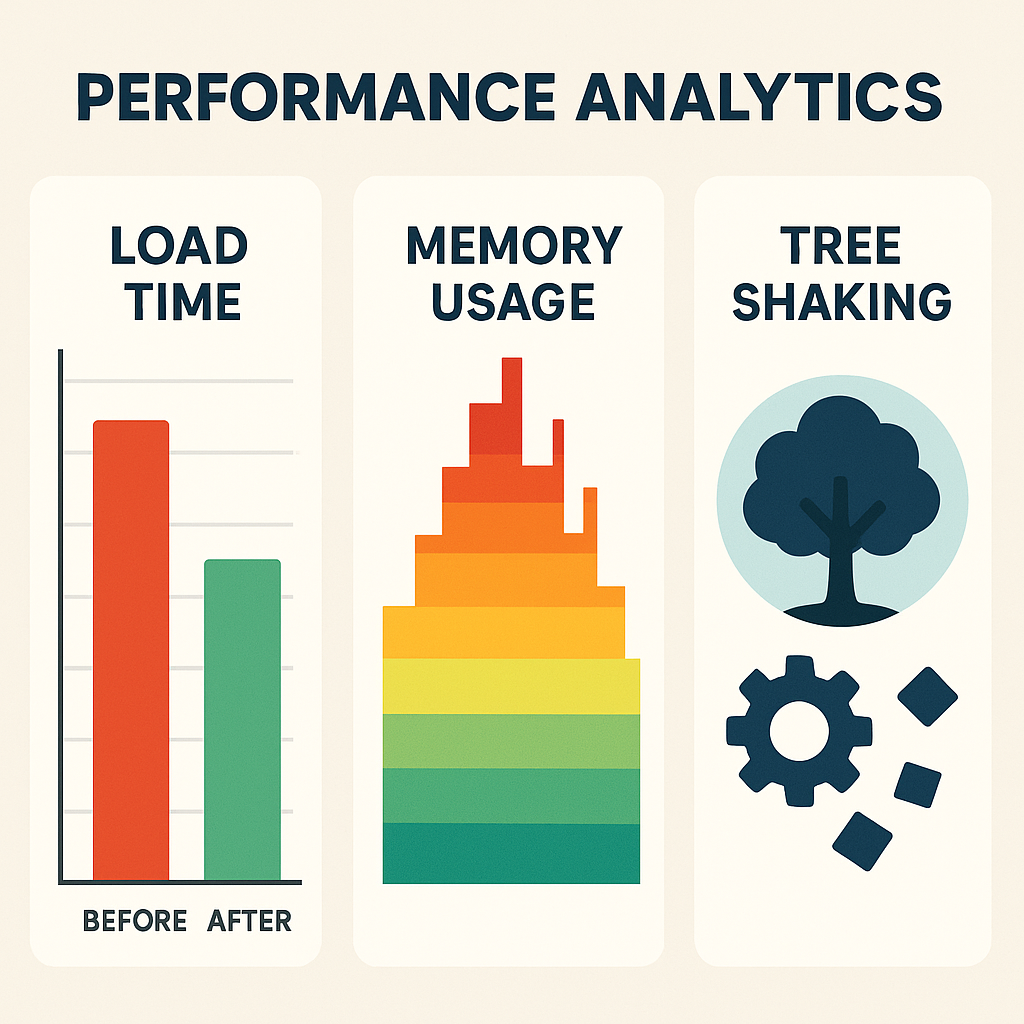
Bloated bundles and unused code slow initial load times and frustrate users.
Identify dead code with tools like webpack’s Tree Shaking
Benchmark critical user flows before and after refactoring
Profile memory usage and event loops in Chrome DevTools
“Optimizing early can save hundreds of hours in production tuning later.” — Alex Russell, Web Performance Engineer
Sustaining a Living Knowledge Base
As people come and go, critical context disappears. Audit reports serve as a centralized encyclopedia:
Document why certain patterns exist
Record decisions on library upgrades or API changes
Share best practices for future hires
This institutional memory cuts ramp-up time for new developers by up to 40%.
Automating Checks with Static Analysis
Real-time feedback during development catches issues before they reach the main branch.
SonarQube for deeper metrics (complexity, duplicated code)
Git hooks to block commits that fail critical rules
Automated tools are your first line of defense; periodic manual reviews dig deeper.
Verifying Test Coverage
Code without tests is code without guarantees. During audits, ensure your suite covers:
Core business logic
Edge cases for user input
Error-handling paths
A report from Coveralls shows projects with over 80% coverage suffer 50% fewer regressions.
The Next Chapter: Continuous Quality
A one-time audit lays the foundation. The real payoff comes when auditing becomes part of your delivery pipeline—catching issues early, keeping knowledge alive, and ensuring your application remains robust no matter how many years or teams pass.
:format(webp))
:format(webp))
:format(webp))