:format(webp))
:format(webp))
Outsourcing Front-End Development: A Complete Guide
By the end of this guide, you’ll know how to set clear goals, pick the right partner, streamline communication, maintain quality and security—and even tap into AI tools and open-source libraries to keep costs in check.
Define Your Project
Start by laying a solid foundation so everyone shares the same vision.
Clarify Requirements and Goals
Be specific about what you need: page layouts, performance benchmarks, browser support. Write user stories or wireframes to avoid ambiguity.
Set the Scope and Tech Stack
Decide whether you’ll use frameworks like React, Vue or Angular. A detailed scope prevents scope creep later on.
Outline Milestones and Deadlines
Break the work into phases—design, development, testing—and assign dates. This lets you track progress and adjust early.
Choose the Right Partner
Picking the best vendor affects your timeline, budget and final product.
Compare Outsourcing Models
Freelancers often charge $60–$80/hour for front-end work, according to Codementor’s survey on development rates .
Agencies typically range from $100–$150/hour, as detailed in Clutch’s report on app development pricing .
In-house teams cost about $90,000/year plus benefits, per Glassdoor’s data on front-end developer salaries .
Each has trade-offs: freelancers can be flexible but may lack bandwidth; agencies offer end-to-end services; in-house grants full control.
Vendor Type | Typical Rate |
|---|---|
Freelancers | $60–$80/hour |
Agencies | $100–$150/hour |
In-house | $90,000/year plus benefits |
Consider Nearshore Outsourcing
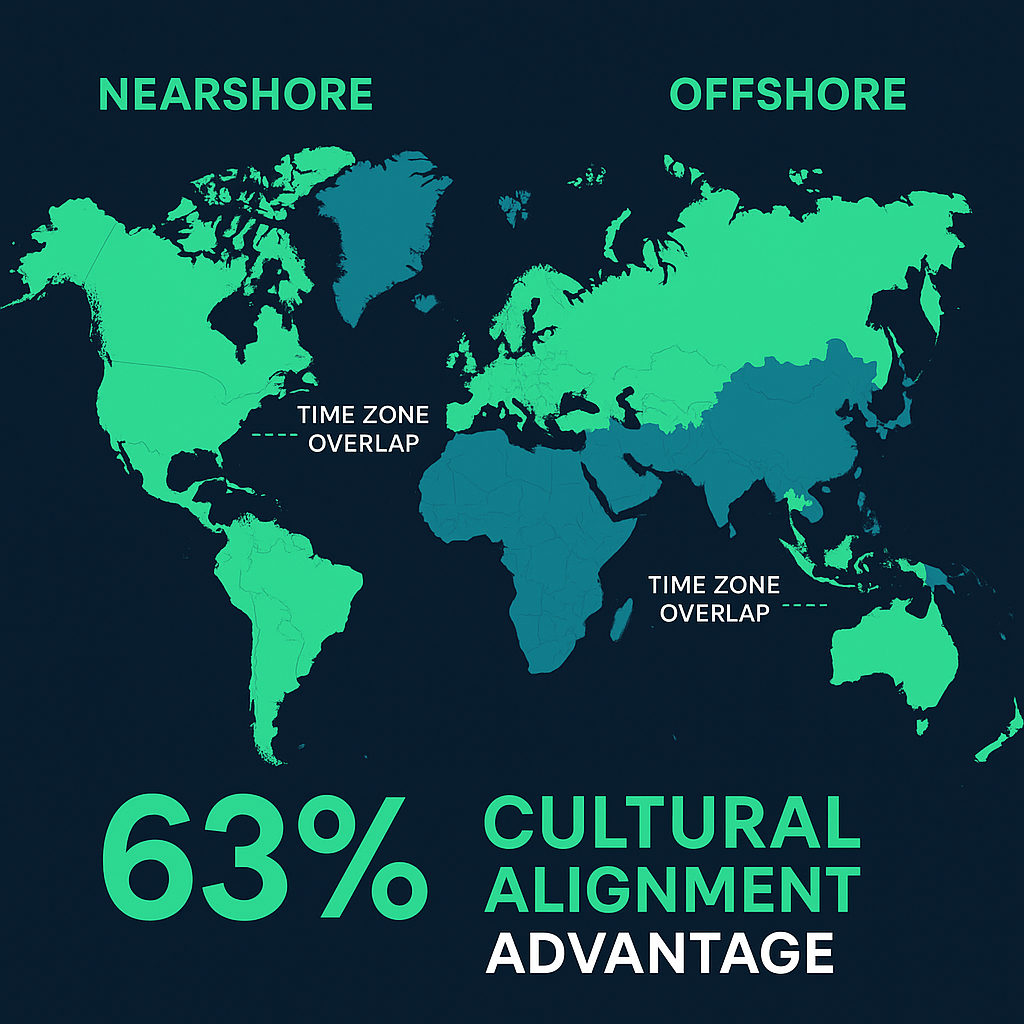
Nearshore partners in similar time zones reduce delays and cultural friction. According to CIO’s analysis of nearshore outsourcing benefits , 63% of companies cite cultural alignment as a top advantage of nearshore models.
Screen for Skills and Fit
Review portfolios and GitHub repos.
Conduct live coding tests.
Ask about workflow tools (Git, CI/CD pipelines).
Streamline Communication and Management
Consistent touchpoints keep everyone on track.
Use Slack or Microsoft Teams for real-time chats.
Schedule weekly video calls to review progress.
Maintain a shared Kanban or Scrum board (e.g., Jira, Trello).
Establish a single point of contact on both sides to prevent mixed messages.
Ensure Quality and Security
Well-written code and robust defenses protect your reputation.
Enforce Code Standards
Require linting (ESLint) and style guides (Prettier). Perform regular code reviews via pull requests.
Automated Testing and AI Tools
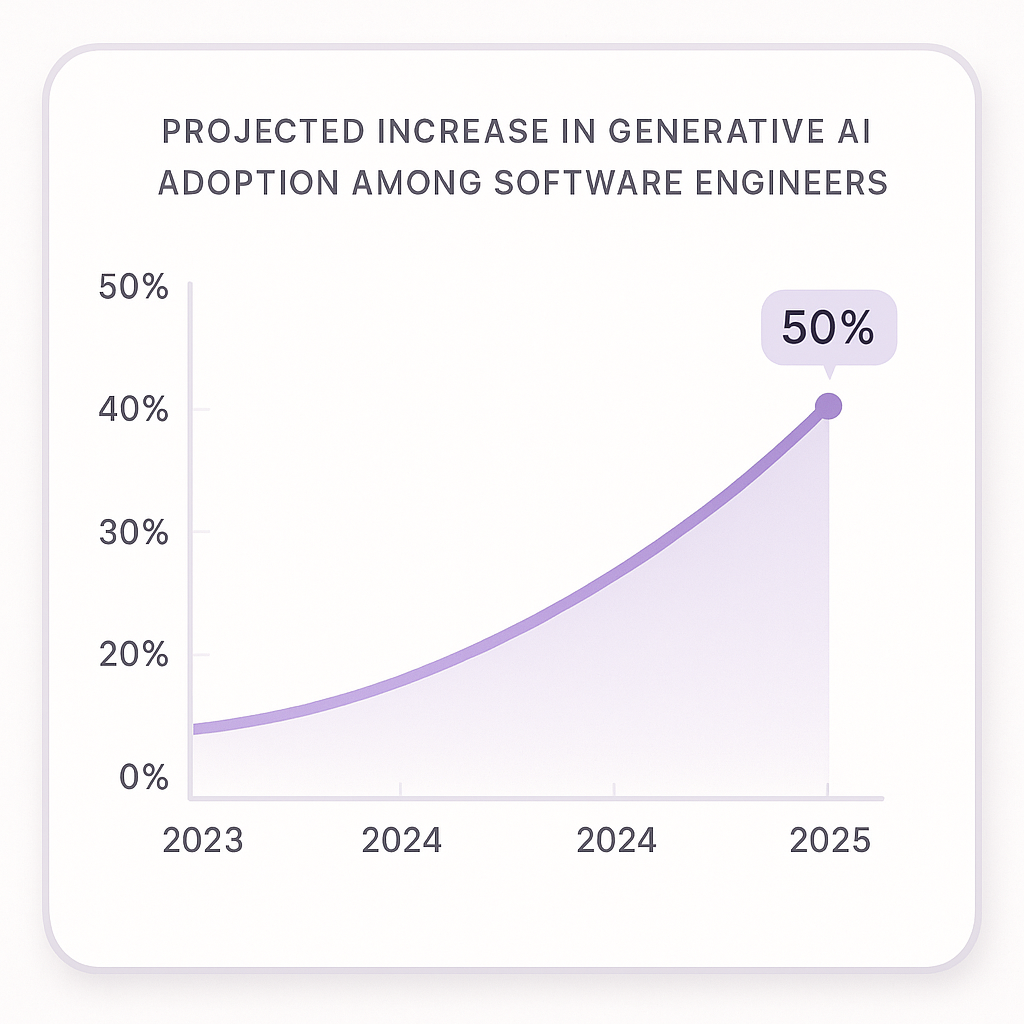
Implement unit, integration and end-to-end tests. According to Gartner’s report on AI in software development , by 2025, 50% of software engineers will use generative AI daily for code completion and testing. Tools like GitHub Copilot and TestingBot can speed up review cycles.
Legal Safeguards and IP Protection
Sign a detailed NDA and a contract outlining ownership of code and assets. Include clauses for data handling and post-engagement support.
Get the Best Value: Cost, Quality and Agility
Outsourcing today isn’t just about cutting costs; it’s about gaining flexibility and expertise.
Shifting Motivations
A 2021 report shows 47% of executives now prioritize service quality and agility over cost savings in outsourcing, as illustrated in Statista’s analysis of executives’ outsourcing priorities . That means you should weigh vendor responsiveness and domain knowledge as heavily as hourly rates.
Leverage Open-Source Components
Tap into vetted libraries like Bootstrap, Tailwind CSS or Material UI. This reduces development time and maintenance overhead, provided you track updates and security patches.
Library | Description | Use Case |
|---|---|---|
Bootstrap | Popular front-end framework offering prebuilt responsive components and utilities. | Rapid prototyping and consistent layouts |
Tailwind CSS | Utility-first CSS framework for fast custom UI development using low-level classes. | Highly customized designs and components |
Material UI | React-based UI library implementing Google’s Material Design system. | Creating modern, responsive web apps |
Your Next Step
You now have a roadmap for outsourcing front-end work:
Define crystal-clear requirements
Choose the model that fits your budget and timeline
Keep lines of communication open
Rely on automated tests and AI-powered tools
Protect your IP and data
Focus on quality and agility, not just cost
Ready to get started? Outline your requirements today and begin interviewing candidates. Your ideal front-end partner is out there—and with these strategies, you’re set to find them.
:format(webp))
:format(webp))
:format(webp))