:format(webp))
:format(webp))
ReactJS Agency Selection: Beyond Just the Portfolio
Selecting the right ReactJS agency can feel like navigating a minefield. While a flashy portfolio might catch your eye, it doesn't tell the whole story. This guide will help you look past the surface and identify an agency that truly understands your project and can deliver exceptional results. We'll cover the key aspects you should evaluate, going beyond just pretty pictures to ensure a successful partnership.

Defining Your ReactJS Project Requirements
Before you even begin browsing agency websites, you need a clear picture of what you want to build. What problem are you solving? What are the key features? What's your budget and timeline? The more specific you are, the easier it will be to find an agency that's a good fit. A well-defined scope allows you to accurately assess which agencies have the skills and experience needed for your specific project.
Clearly defined project scope
Budget and timeline
List of the key features
Assessing Core ReactJS Technical Expertise
It's easy to claim ReactJS expertise, but how do you verify it? Look for agencies that can demonstrate a deep understanding of React's core principles, component architecture, and state management techniques. Question the agency about their experience with different React versions and their approach to handling updates and migrations. An agency with strong principles of React Component Design will be able to create robust and scalable user interfaces.
Digging Deeper: Specialized ReactJS Technologies
React is often used in conjunction with other technologies. Does the agency have experience with the specific tools your project demands? Experience with Next.js, Remix, or Gatsby for server-side rendering and static site generation is a great sign. There are articles comparing Next.js, Gatsby, and Remix to show key features and determine the best fit for projects. Also, familiarity with state management libraries like Redux Toolkit or Zustand can be vital. Consider their experience with styling solutions like Styled Components or Material UI too. Some resources offer comparisons of styling solutions like Material UI against alternatives .
Framework | Server-Side Rendering | Static Site Generation | Data Fetching | Use Cases |
|---|---|---|---|---|
Next.js | Excellent; supports both SSR and ISR. | Excellent; built-in support. | Flexible; `getServerSideProps`, `getStaticProps`, client-side fetching. | E-commerce, blogs, marketing websites, complex web applications. |
Remix | Excellent; server-first approach, embraces web standards. | Limited; possible, but not a primary focus. | Primarily server-side; loaders and actions for data mutations. | Dynamic web applications, e-commerce, applications prioritizing web standards. |
Gatsby | Limited; primarily used for SSG. | Excellent; optimized for performance. | GraphQL-based; fetches data at build time. | Blogs, documentation, marketing websites, content-heavy sites. |
Evaluating Portfolio and Case Studies: Problem Solving in Action
While we're looking "beyond the portfolio," it still plays a role. Don't just admire the aesthetics. Analyze the case studies. What problems did the agency solve for their clients? How did they overcome technical challenges? Look for projects similar to yours in terms of complexity and industry.
"The best way to predict future behavior is to look at past behavior." - Peter Drucker
Communication and Collaboration: Building a Strong Partnership
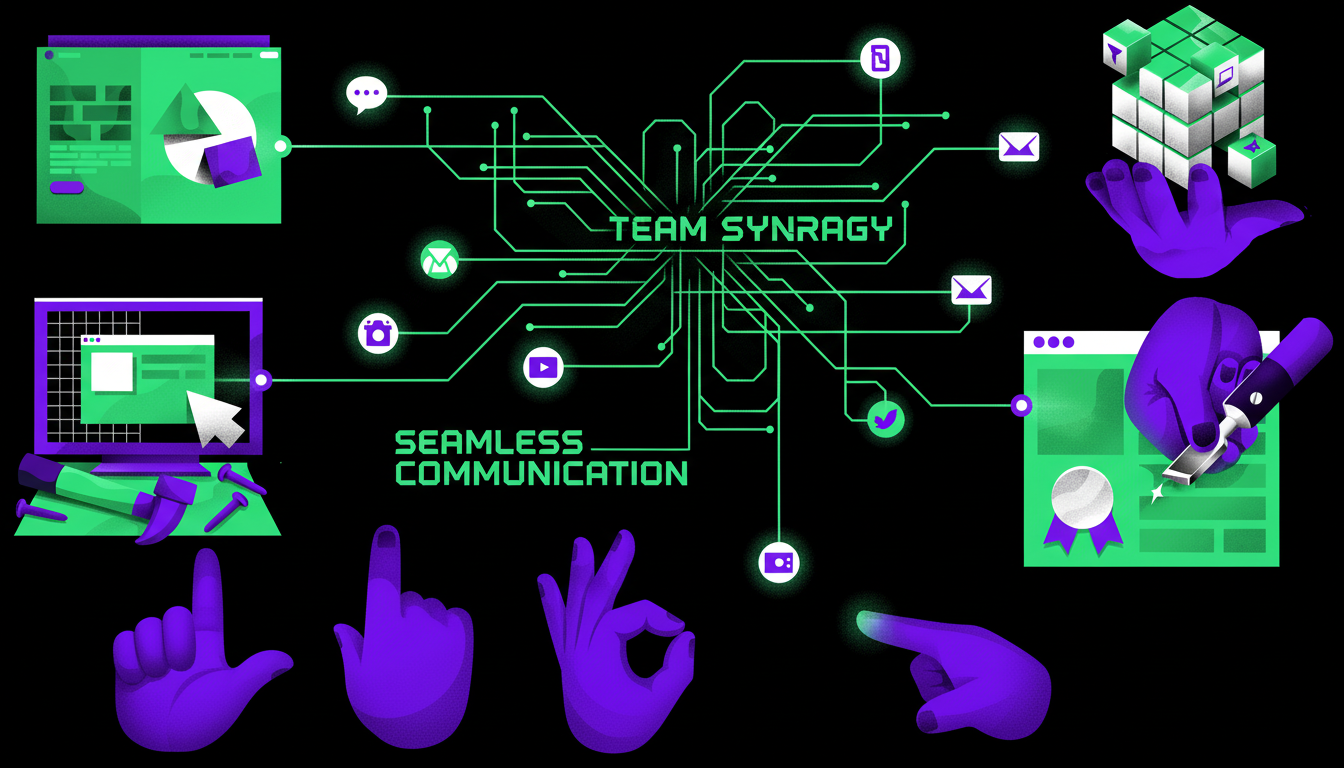
Effective communication is key to a successful project. Does the agency respond promptly to your inquiries? Do they clearly explain their development process? Are they proactive in offering solutions and suggestions? Ensure they are using tools that work for you such as Slack, Teams, Zoom, etc.
Responsiveness
Clear explanations
Proactive solution offering
Client References and Testimonials: Real-World Feedback
Don't just take the agency's word for it. Ask for client references and actually contact them. What was their experience working with the agency? Were they satisfied with the results? Were there any challenges, and how were they handled? Honest feedback from past clients can provide invaluable insights.
Commitment to the ReactJS Community: Contributing Back
A truly exceptional ReactJS agency doesn't just consume the technology; they contribute to it. Does the agency contribute to open-source React projects? This demonstrates a deep understanding of React, a commitment to the community, and the ability to solve complex problems. Many find benefits for contributing to open source projects in React , including skill enhancement and community engagement.
Prioritizing Accessibility (a11y): Building for Everyone
A strong agency will understand the importance of building accessible applications. Inquire about their process for ensuring that their React projects are usable by people with disabilities. A good answer will include details about ARIA attributes and semantic HTML, and accessibility testing. Ignoring accessibility is not only unethical; it can also limit your potential audience. According to Recite Me's web accessibility statistics , accessibility is crucial for reaching a wider audience. Furthermore, creating accessible websites offers various business advantages , including improved SEO and higher conversion rates.
Optimizing Performance: Delivering a Fast User Experience
A sluggish application can frustrate users and hurt your business. Explore the agency's methods for optimizing React application performance. This includes techniques like code splitting and lazy loading , and image optimization. Ask them about their experience identifying and resolving performance bottlenecks.
ReactJS Testing Methodologies: Ensuring Quality and Reliability
A responsible agency will have a robust testing strategy in place. Dig deeper into the specific testing methodologies they employ, look for expertise in unit testing, integration testing, and end-to-end testing using tools like Jest, React Testing Library, Cypress, or Playwright . Effective testing strategies for React components are key to ensuring component integrity and validating user interactions.
Testing Type | Description | Tools |
|---|---|---|
Unit Testing | Tests individual components in isolation. | Jest, React Testing Library |
Integration Testing | Tests how components interact with each other. | React Testing Library |
End-to-End Testing | Tests the entire application flow from the user's perspective. | Cypress, Playwright |
Unit Testing
Integration Testing
End-to-End Testing
Staying Ahead of the Curve: Knowledge of Emerging React Patterns
React is constantly evolving. Assess the agency's familiarity with newer features like Server Components . This showcases a forward-thinking approach and a willingness to embrace the future of React development. An agency that's stuck in the past is unlikely to deliver cutting-edge solutions.
Navigate The Tech Talent Tide: Making Smart Choices
Choosing the right ReactJS agency is a critical decision. By looking beyond the surface and evaluating these less obvious factors, you can increase your chances of finding a partner that understands your project, shares your vision, and can deliver exceptional results. Don't be afraid to ask tough questions and demand concrete evidence of their expertise. Your project deserves nothing less.
If you're still unsure how to proceed, check out our guide on how to choose the right ReactJS development partner for more in-depth advice. You might also find it helpful to read our article on ReactJS agencies vs. freelancers to understand the different options available. If you're considering hiring a dedicated team, our guide on how to hire a React.js development team can provide valuable insights.
:format(webp))
:format(webp))
:format(webp))