:format(webp))
:format(webp))
Define Your Project Requirements
Start by documenting exactly what you want the frontend to achieve, following industry best practices for software requirements . That means outlining scope, objectives and the tech stack you envision.
Scope & objectives: Single-page dApp, wallet portal, analytics dashboard?
Blockchain platform: Ethereum, Hyperledger, Corda or a custom chain?
Integration points: Wallets, smart contracts, oracles.
Requirement | Details | Examples |
|---|---|---|
Scope & Objectives | Define what the frontend should do | Single-page dApp, wallet portal, analytics dashboard |
Blockchain Platform | Choose a platform | Ethereum, Hyperledger, Corda |
Integration Points | Identify necessary integrations | Wallets, smart contracts, oracles |
Clarify Blockchain-Specific Needs
Note transaction confirmation times and data transparency features up front. Partners familiar with concepts like gas fees and off-chain storage will suggest optimizations to your flow.
Evaluate Technical Expertise
You need a partner skilled in both blockchain protocols and modern frontend frameworks.
Blockchain protocols: consensus algorithms , smart contracts, cryptography.
Frontend frameworks: React , Vue or React Native for cross-platform apps.
Real-time data handling: WebSockets, GraphQL subscriptions .
Area of Expertise | Key Technologies/Concepts |
|---|---|
Blockchain protocols | Consensus algorithms, smart contracts, cryptography |
Frontend frameworks | React, Vue, React Native |
Real-time data handling | WebSockets, GraphQL subscriptions |
Designing Effective UX/UI for Blockchain
User interfaces for blockchain must handle wallet connections and pending transactions gracefully. A well-designed flow reduces failed transactions and user frustration.
A study by ConsenSys reports that 70% of users abandon dApps due to poor user experience , underscoring the importance of intuitive design.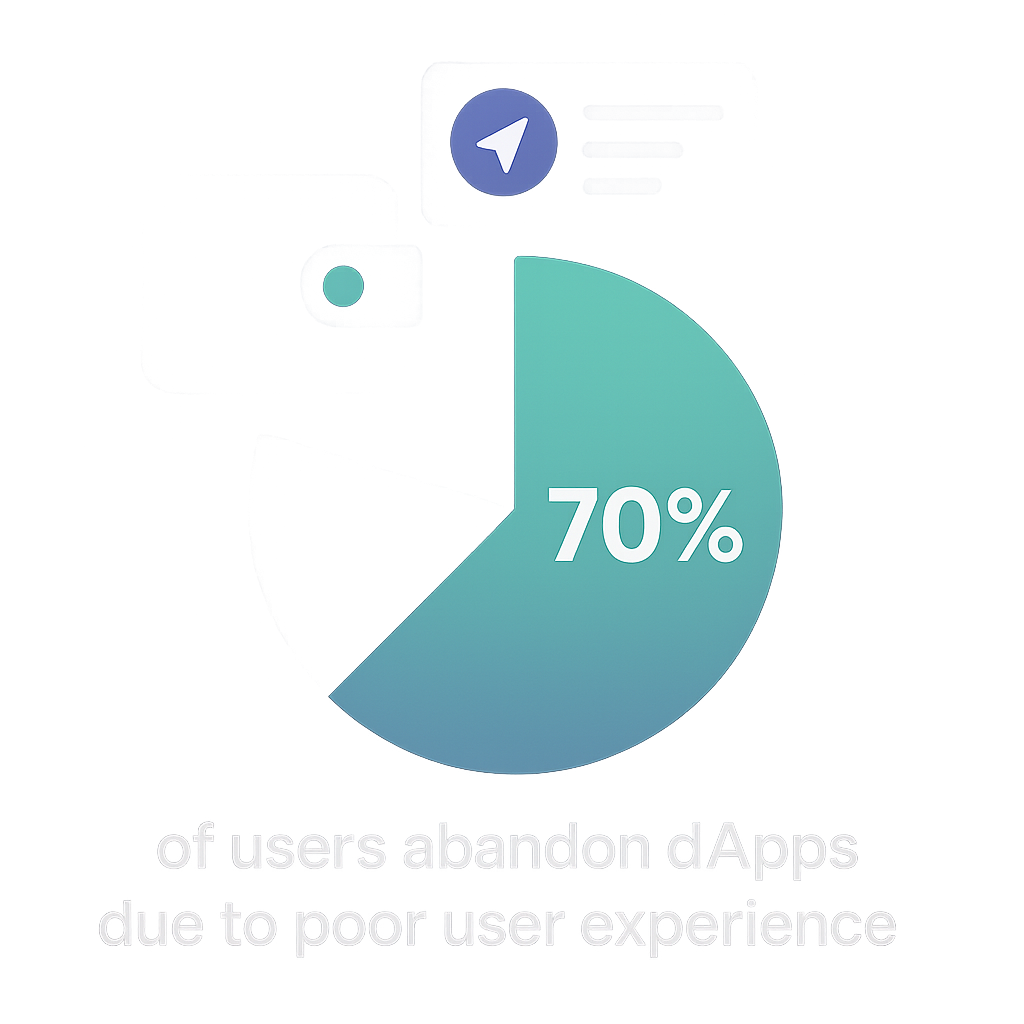
Assess Industry Experience & Portfolio
Look for a track record in your sector—whether finance, healthcare or supply chain.
Case studies showing similar dApps or enterprise solutions.
Client testimonials addressing deadlines, quality and support.
Live products you can test or review.
Reviewing past work reveals how they solved challenges like high transaction volumes or multi-chain interoperability.
Establish Communication & Collaboration
Clear channels and predictable rhythms keep you informed and in control.
Time zone overlap for daily stand-ups.
Preferred tools: Linear or Asana, Slack or Microsoft Teams.
Methodologies: Agile or Kanban with week long sprints.
Regular demos help catch misalignments early, reducing costly revisions.
Review Security & Compliance Practices
Blockchain frontends deal with sensitive keys and transactions. Verify that your partner follows strict security standards.
Compliance with GDPR , HIPAA or industry-specific regulations.
Non-disclosure agreements and IP ownership clauses.
Discuss Pricing & Engagement Models
Different models suit different budgets and risk profiles:
Fixed price: Clear budget but less flexibility.
Time & materials: Pay for actual hours, ideal for evolving scope.
Dedicated team: Long-term collaboration with a set group.
Model | Advantages | Considerations |
|---|---|---|
Fixed price | Budget clarity, predictable costs | Less flexibility if requirements change |
Time & materials | High flexibility, adapts to evolving scope | Budget can vary based on project duration |
Dedicated team | Consistent team, deep project knowledge | Requires long-term commitment |
Clarify payment terms—milestones, retainers or hourly rates—before work begins.
Plan for Post-Launch Support & Maintenance
Your frontend will need updates as chains evolve and new features roll out.
Bug fixes and patch releases.
Performance tuning under growing user loads.
Ongoing security reviews and dependency upgrades.
Service-level agreements with guaranteed response times.
Specialized Areas That Matter
Beyond the usual checklist, these niche skills can give you an edge:
Decentralized Identity Integration
Look for partners experienced with DID and SSI standards to give users self-sovereign identity and better privacy ( W3C DID Core ).
Frontend Performance Optimization
Handling live blockchain data demands efficient caching, rate-limiting and lazy loading. Ask how they plan to keep UIs responsive during peak activity ( Google Web Performance guidelines ).
Cross-Platform & Responsive Design
Consider frameworks like React Native or Electron if you need web, mobile and desktop consistency.
Analytics & Monitoring Integration
Embedding tools such as Etherscan APIs or custom dashboards gives users real-time insights into transactions and gas usage.
Your Next Step Toward Success
Armed with these criteria, you can confidently shortlist development partners who align with both your technical needs and business goals. Whether you choose a boutique studio or a global firm, this checklist ensures you cover every critical aspect—from user experience to ongoing support—so your blockchain frontend scales securely and delightfully.
:format(webp))
:format(webp))
:format(webp))